Heritage Conservation

Heritage conservation protects and celebrates the places, stories and landscapes that shape Belleville’s identity — now and for future generations. Historic buildings, districts and landscapes help us understand our past and strengthen our sense of community.

The City of Belleville works to protect important cultural heritage resources to celebrate and support the community, while contributing to its physical, social, cultural and economic well-being.

Heritage Properties

Explore Belleville’s designated and listed heritage properties through our online portal.

The Ontario Heritage Act

Under the Ontario Heritage Act, the City of Belleville can designate heritage properties to formally recognize their value to the community. This law allows the City to protect buildings and sites with architectural or historical significance.

The Act provides several ways to recognize and protect cultural heritage properties, including:

  • Individual designation (Section 29)
  • Listing on the heritage register (Section 27)
  • Heritage district designation (Section 41)

To support this work, the City has a Municipal Heritage Committee that advises City Council on heritage matters.

Designating Heritage Properties

Heritage designation allows property owners to formally recognize and protect the heritage value of their property. Please contact us if you believe your property has heritage value and would like to designate your property, as a first step.

Design or Physical Value

The property has design or physical value because it is a rare, unique or early example of a style, type, expression, material or construction material; displays a high degree of craftsmanship or artistic merit or demonstrates a high degree of technical or scientific achievement.

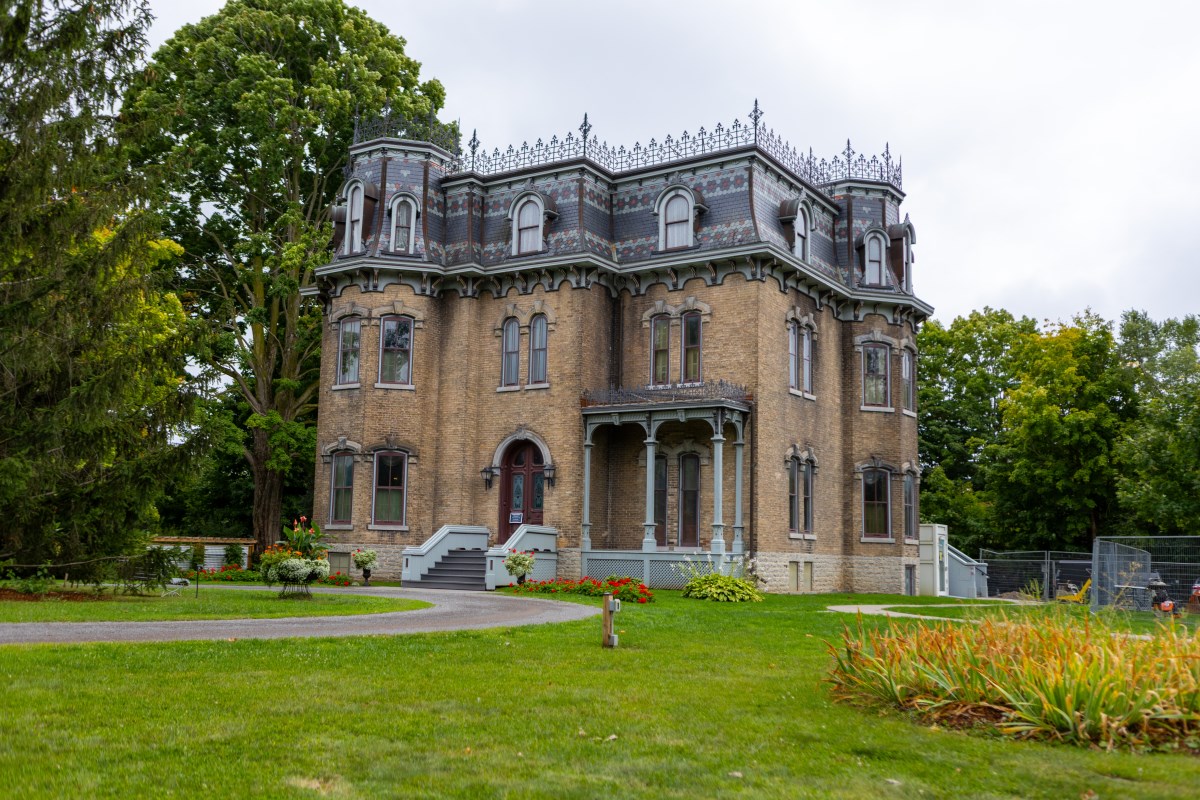
Glanmore National Historic Site

Glanmore was designated a National Historic Site of Canada in 1969 for its exceptional Second Empire architecture, a style popular in Canada during the 1870s and 1880s. Local architect Thomas Hanley combined the mansard roof and ornate dormer windows with asymmetrical design, a bracketed cornice, and iron cresting to create a striking and elegant appearance. The detailed woodwork and decoration inside the house complement its stately exterior. Built in 1882–1883 for wealthy banker J.P.C. Phillips, Glanmore reflects the tastes of affluent Canadians in the late 19th century.

Historical or Associative Value

The property has historical or associative value if it is connected to an important person, event, belief, activity, or institution in the community; helps us understand the community’s history; or reflects the work or ideas of a notable architect, artist, builder, or designer.

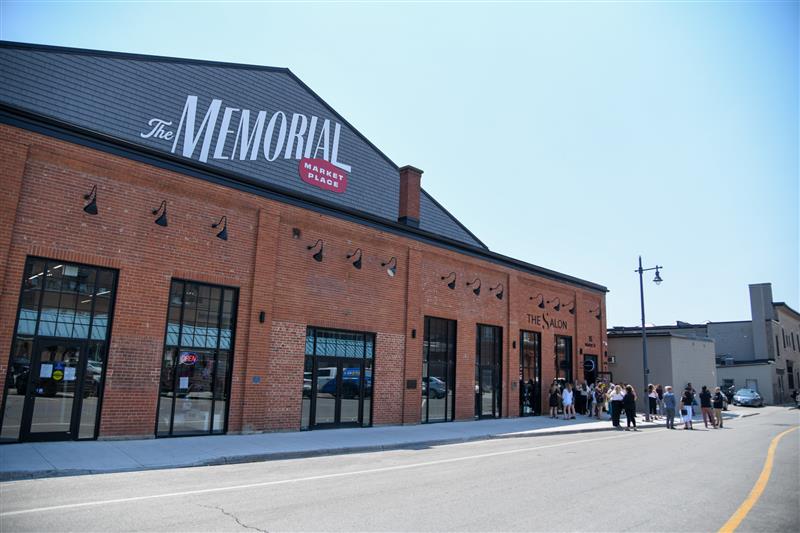
Memorial Marketplace building

The Memorial Arena at 15 Market Square is an important part of Belleville’s history. For over 80 years, it has played a key role in the city’s sports life. Originally called Hume Arena, the City purchased it in 1946 and renamed it the Memorial Arena to honour war veterans. Built as a smaller version of Toronto’s Maple Leaf Gardens, its unique squared corners made hockey play different from other rinks. Many notable players, including Bobby Hull, Matte Cooke, Brad Richardson, and Andrew Shaw, have skated there. From 1956 to 1961, it was home to the Belleville McFarlands, who won the 1959 World Championship by defeating the Soviet Union. The arena also hosted the Quinte Figure Skating Club. Designated under the Ontario Heritage Act in 2003, the Memorial Arena remains a cherished time capsule of Belleville’s sports history.

Contextual Value

The building has contextual value if it helps define or maintain the character of the area, is connected to its surroundings physically, visually or historically, or serves as a local landmark.

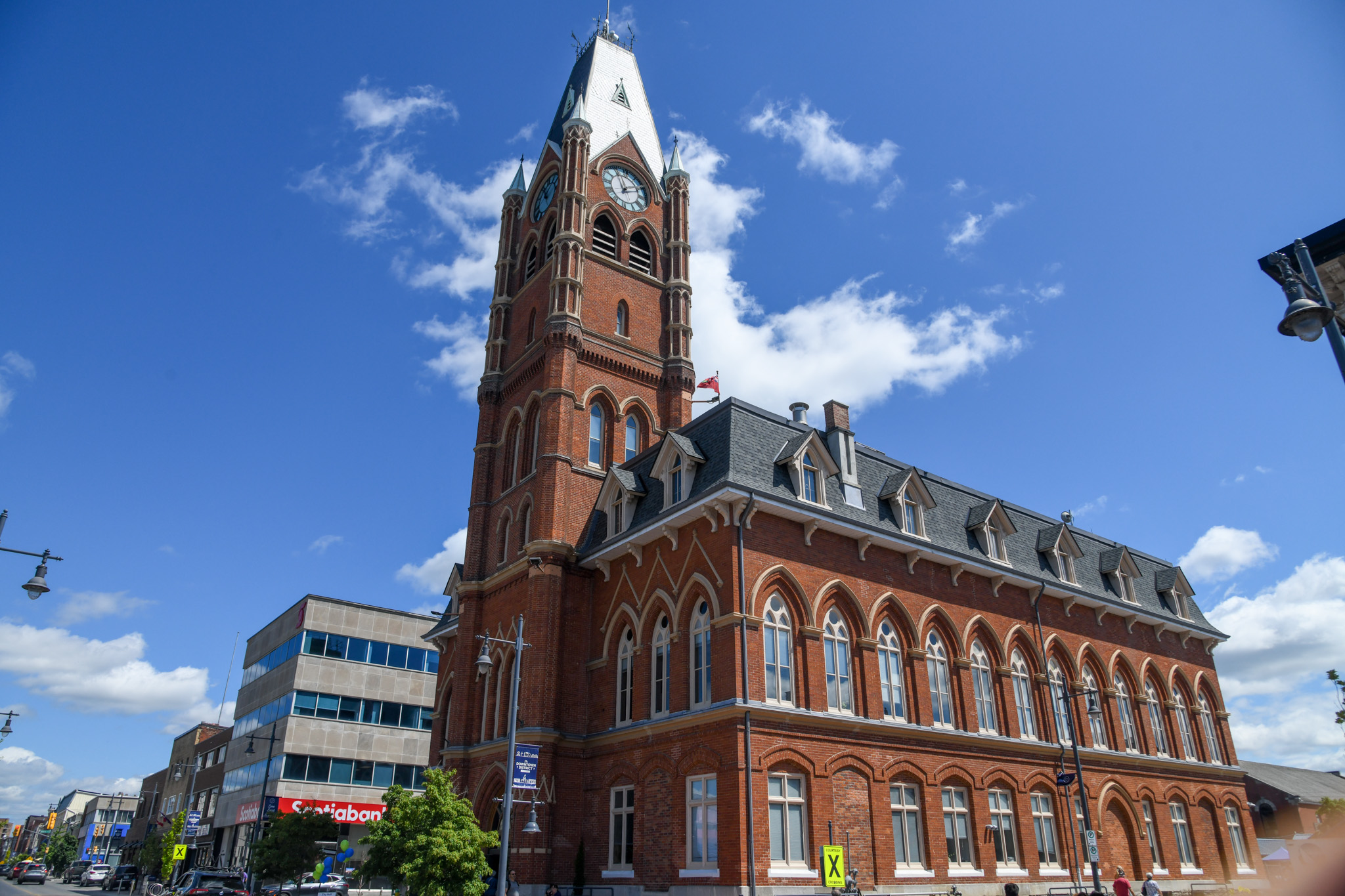
Belleville City Hall

Built as a symbol of Belleville’s growth and civic pride, this building was one of the few civic complexes completed during the economic depression of 1873. Designed by local architect John D. Evans and built by contractor John Forin, it is one of the rare public buildings of its time in the High Victorian Gothic Revival style. A well-known landmark, City Hall is a key part of Belleville’s commercial streetscape and skyline and sits among a group of churches and major public and commercial buildings. In 1979, the Town of Belleville designated City Hall under the Ontario Heritage Act and in 1989, the Ontario Heritage Trust secured a heritage easement on the building.

Listings on the Heritage Register

Properties that are listed but not designated on the municipal heritage register receive temporary protection from demolition. Owners of listed properties must give City Council at least 60 days’ written notice before demolishing or removing a building or structure. This 60-day period allows the City to decide whether to begin the heritage designation process.

If your property is listed and you would like to pursue heritage designation or learn more, contact planning@belleville.ca as the first step.

Heritage Conservation Districts

Heritage Conservation Districts protect areas of special cultural heritage value, including:

  • Neighbourhoods, main streets or rural landscapes
  • Residential, commercial, institutional or mixed-use areas
  • Natural features such as parks, trees and waterways

These districts preserve a cohesive sense of time, place, and character.

The City of Belleville currently does not have a Heritage Conservation District.

Heritage Permits and Approvals

A Heritage Permit is to be approved before any other municipal permits or approvals, including building permits, site plan and minor variances. There are no fees associated with heritage permits. A permit is needed when:

  • You would like to designate or list your property as a heritage property.
  • You will be performing an alteration to a designated heritage property.
  • You are proposing to demolish a designated heritage property.

1. Complete the Heritage Permit Application Form.

2. Request a pre-consultation meeting with staff to discuss the designation, alternation or development you are proposing. Please reach out to planning@belleville.ca to set up a date and time. Please bring your completed Heritage Permit Application Form to a meeting.

In the pre-consultation meeting, depending on the work being proposed staff will inform you of the required supporting documents which may include:

  • Cultural Heritage Evaluation Report - a study that assesses a property's cultural heritage value, using historical research and on-site observation, to determine if it warrants protection under provincial legislation and local heritage policies.
  • Drawings – architectural drawings should clearly show all proposed changes to the structure.
  • Site Plans – showing existing and proposed structures and additions on the lot, setbacks from the front, rear and side lot lines, demolition of existing site features, and location of proposed site features.
  • Photos – showing the front of the property and its main structure; nearby streetscapes and neighbouring properties; and any other relevant portions of the properties and structures.

If you are making larger alterations to a designated property, it is recommended that you retain services from an experienced designer/architect/contractor who understands the heritage guidelines.

3. After your pre-consultation meeting and once you have complied all the required documents. Go to the CityView Application Portal to Register and Sign-in.

4. After you sign-in, look for Development Department and click on Apply for Development Application.

5. Choose Heritage Permit as the project type on the online application and fill in the appropriate information.

Once you get to the uploads prompt page, please attach the completed Heritage Permit Application Form and any other required documents as discussed in the pre-consultation meeting.

Subscribe and Follow

Sign up to receive the latest news and notices, subscribe to our newsletter and follow along on social media to make sure you never miss an update.