Weed Control

Some weeds can harm people and the environment. Plants such as wild parsnip and poison ivy can cause painful skin reactions if touched. These weeds may grow in uncultivated areas including roadside ditches, trails, woodlots and private property.

The City works to control hazardous and noxious weeds on municipal land. Property owners are responsible for managing weeds on private property.

City Responsibilities

Under the Ontario Weed Control Act, the City is responsible to take action to control wild parsnip and poison ivy on City property.

City staff may:

  • Identify hazardous weed locations
  • Mark areas with orange paint before treatment
  • Use approved control methods to remove or manage weeds

If you see a hazardous weed on City land, report it to the City so staff can investigate.

Private Property Responsibilities

Private property owners are responsible for removing these plants from their private property. If you plan to remove weeds from your property:

  • Wear protective clothing
  • Cover exposed skin
  • Use eye protection

Our weed inspectors can help identify a noxious weed on your property and provide removal recommendations, as defined by the Ontario Weed Control Act.

Important Notice for Property Owners

Pursuant to the Weed Control Act, R.S.O. 1990, Chapter W.5, Sections 3, 16, and 23, all persons occupying or owning land within the City of Belleville are required to destroy noxious weeds growing on their property throughout the growing season. The destruction of weeds and weed seeds must be completed by June 15 of each calendar year.

If noxious weeds are not destroyed as required, the Municipality may enter the property to carry out the work and charge the associated costs to the landowner, in accordance with the Weed Control Act.

Should you have any questions or comments, please contact: weeds@belleville.ca.

The main purpose of the Weed Control Act R.S.O. 1990 is to reduce the impact of noxious weeds on the industries of agriculture and horticulture. Primarily, this Act applies to agricultural and horticultural lands that generate income or other benefits to agriculture. This excludes lawns, gardens and private areas for personal enjoyment and leisure. The exception to this is if the weeds are a hazards to humans or municipal infrastructure.

For more information, consult the Ministry of Agriculture, Food and Agribusiness webpage regarding Weed Control Act frequently asked questions at: ontario.ca/omafa (search for Weed Control Act).

Common Hazardous and Noxious Weeds

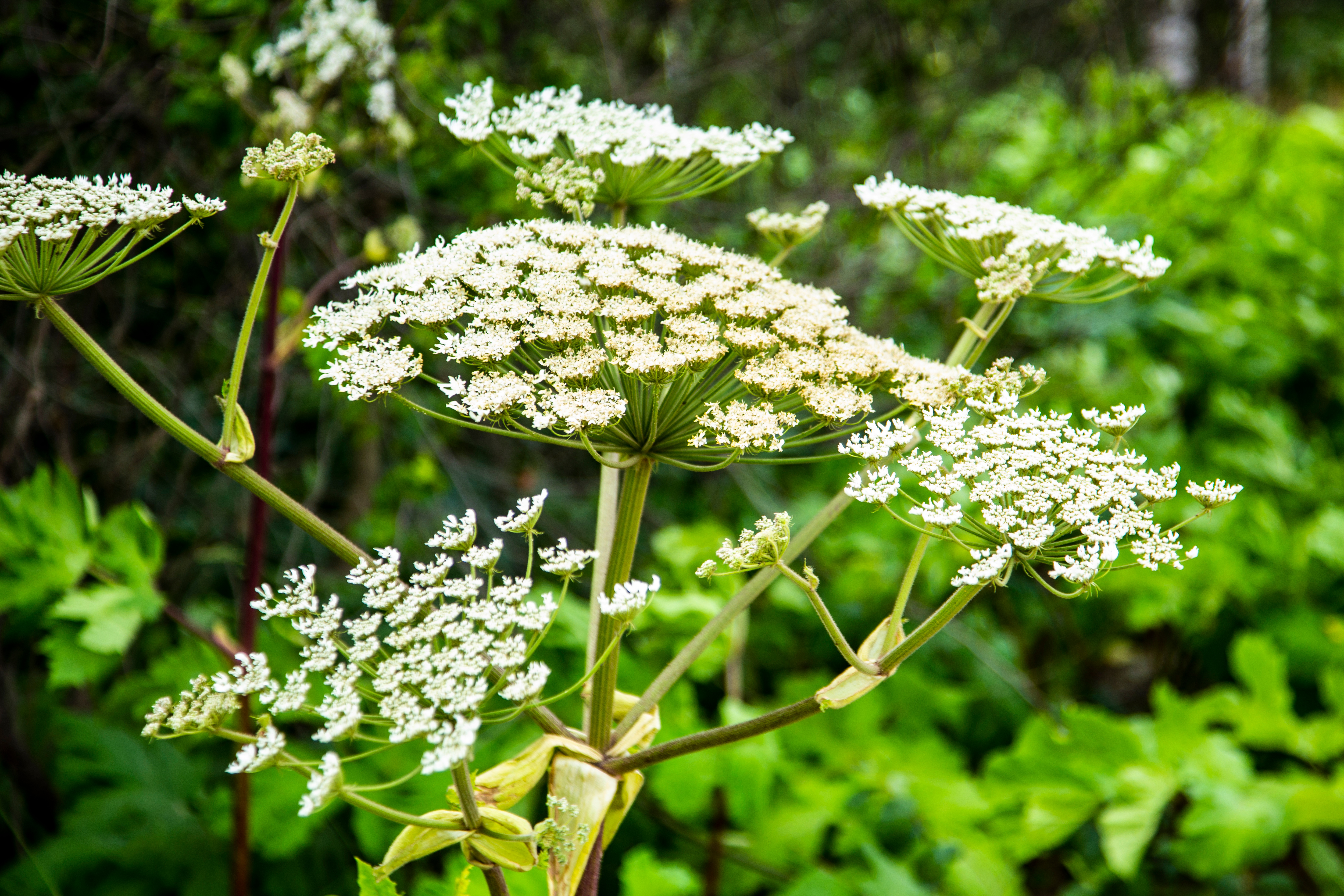
Giant Hogweed

A very large plant that can grow more than 5.5 metres tall with white flower clusters.

Contact with the plant sap may cause:

  • severe skin irritation
  • burns when exposed to sunlight
  • blisters and long-lasting scars

If you find giant hogweed in a public space:

  • Do not touch the plant
  • Stay clear of the area
  • Report it to the City.

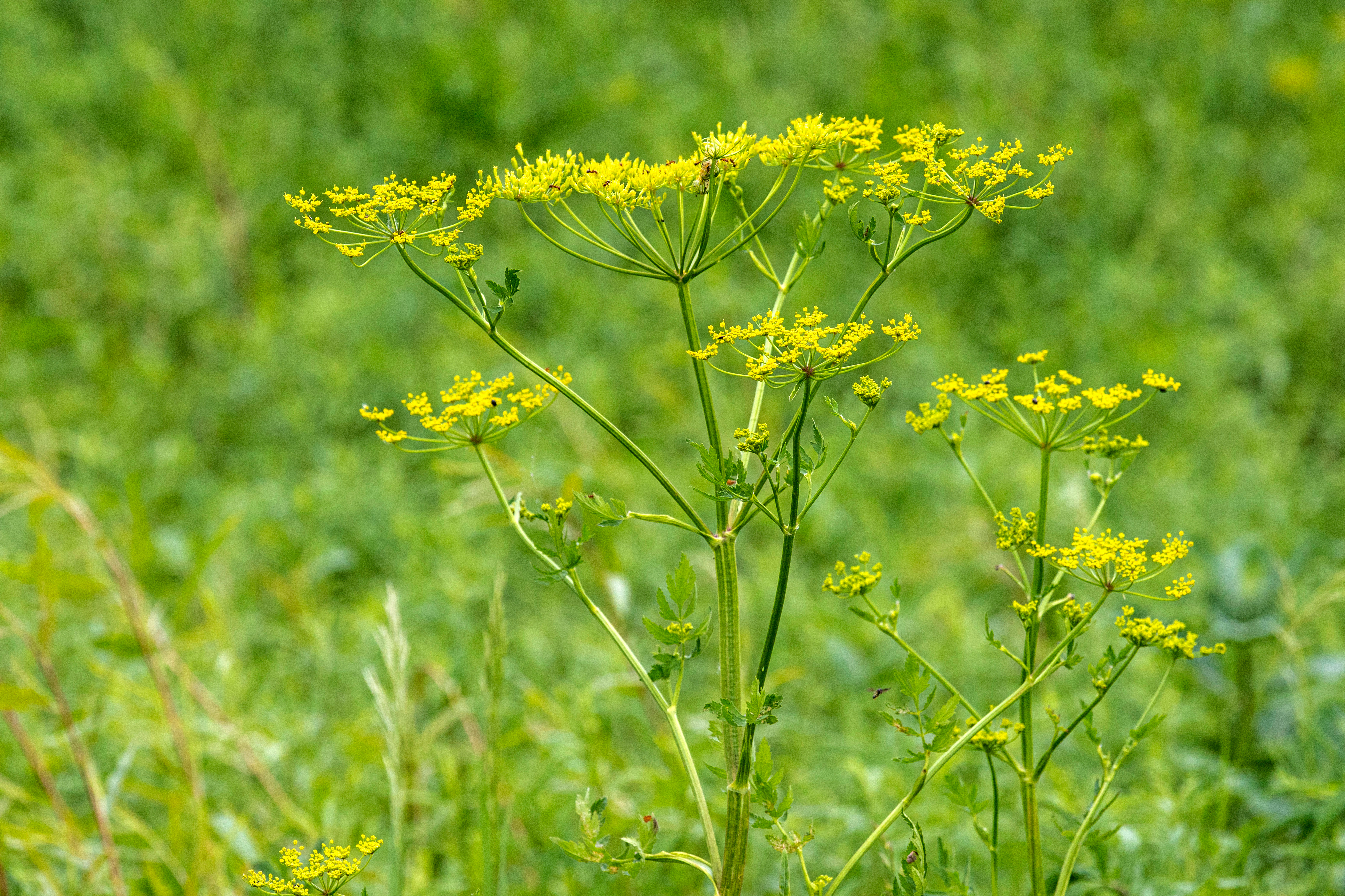
Wild Parsnip

A plant with yellow flowers that can grow up to two metres tall.

Sap from wild parsnip can cause severe skin burns when exposed to sunlight. Symptoms may appear within 48 hours and can include blisters and scars.

Report sightings on City property so trained staff can remove it safely.

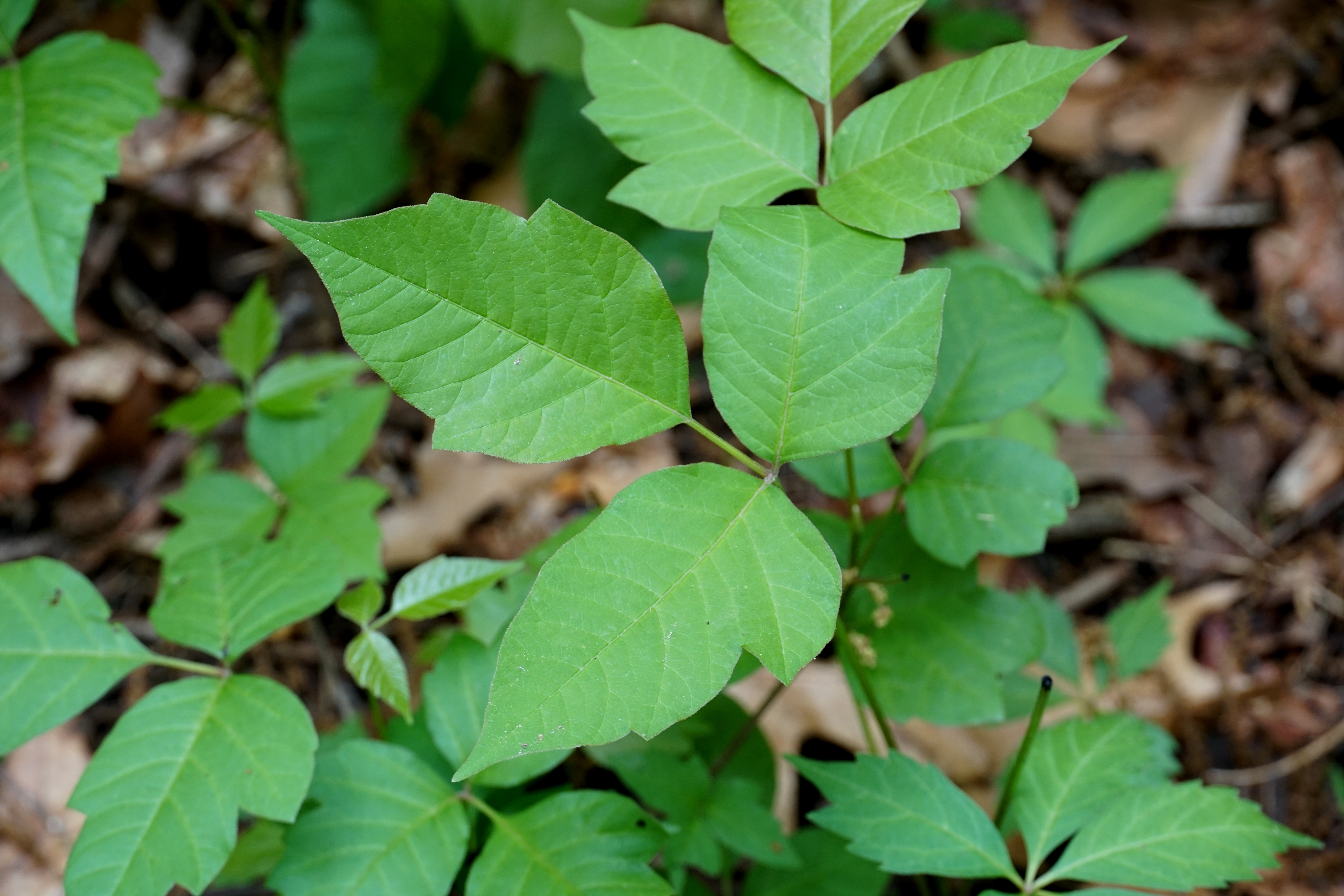
Poison Ivy

Poison ivy may grow as a ground cover or climb trees like a vine.

Contact with the plant’s oils can cause:

  • skin irritation
  • blistering rashes

Pets may carry the oil on their fur after walking through poison ivy.

Tips when using trails:

  • Stay on marked paths
  • Keep pets on a leash
  • Avoid touching unknown plants.

Report a Weed Concern

Report hazardous weeds on City property using the City's Report an Issue form so staff can investigate and respond.

You can also contact us for help identifying plants or managing weeds on your property.


Contact Us

Transportation & Operations

613-967-3275
opgeneral@belleville.ca 

Subscribe and Follow

Sign up to receive the latest news and notices, subscribe to our newsletter and follow along on social media to make sure you never miss an update.